How to Understand and Avoid Rug Pulls in Crypto Trading
· based on the channel Ecole Nadjm el Maarifa- مدرسة نجم المعرفة
Rug pulls are a type of crypto scam where malicious developers or project teams abruptly withdraw liquidity from a token's trading pool, causing the token price to crash and leaving investors with worthless assets. Understanding how rug pulls occur, especially in the context of meme coins on blockchains like Solana, is essential for traders and developers alike to avoid financial losses.
What Is a Rug Pull and How Does It Happen
A rug pull happens when the creators of a cryptocurrency project, often a meme coin, create an illusion of value and liquidity but then quickly remove the liquidity pool backing the token. This action prevents further trading and causes the token price to collapse. On Solana, rug pulls are facilitated by the ease of creating SPL tokens and launching liquidity pools on decentralized exchanges (DEXes) like Raydium and platforms like pump.fun.
The typical process involves:
- Creating a meme token with a specified supply and token authorities.
- Launching liquidity pools with paired assets such as SOL or USDC.
- Attracting investors through hype or marketing.
- Removing liquidity suddenly, often by withdrawing LP tokens that represent the pool share.
Creating and Launching a Solana Meme Coin
Launching a meme coin on Solana involves several technical steps:
- Token Creation: Using SPL token standards, developers generate a token with defined parameters — total supply, mint authority, and freeze authority.
- Liquidity Pool Setup: The token is paired with SOL or stablecoins on DEX platforms like Raydium or pump.fun.
- Liquidity Deployment: Liquidity providers add funds to the pool, enabling token trading.
- Public Trading: Once liquidity is provided, the token becomes tradable and visible on market trackers.
Tools such as noxmint.com simplify the process by allowing no-code token creation, making it accessible to many developers.
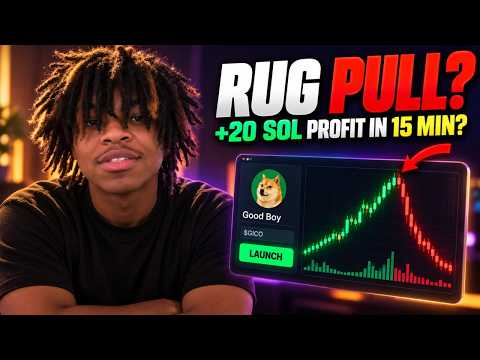
Video: Rug Pull Guide And Launching A Solana Meme Coin
How Liquidity and Token Prices Are Manipulated
Liquidity manipulation is central to rug pulls. Developers control token authorities and LP tokens, allowing them to:
- Withdraw liquidity abruptly, collapsing the market.
- Inflate token prices artificially by adding and removing liquidity.
- Use bonding curves and pump mechanisms on platforms like pump.fun to fake demand.
Investors should scrutinize token authority settings — mint authority and freeze authority — as these control token minting and transfer restrictions. Revoking or renouncing these authorities is a sign of increased security and trustworthiness.
Common Rug Pull Warning Signs
Identifying red flags can protect investors from scams:
- Unlocked or Withdrawable Liquidity: If liquidity pool tokens are accessible to developers, the risk of rug pull is high.
- Centralized Token Authority: Developers retain mint or freeze authority without plans to revoke.
- Unverified Contracts: Lack of contract audits or transparency around token code.
- Suspicious Wallet Distribution: A few wallets hold a majority of tokens, enabling market manipulation.
- Rapid Price Pumps with No Fundamentals: Sudden hype without product or utility behind the token.
Essential Security Checks Before Buying New Tokens
Before investing in meme coins or newly launched tokens, perform these checks:
- Verify if liquidity is locked or the LP tokens are controlled by a trustworthy third party.
- Examine the token’s smart contract for authority revocations.
- Analyze token holder distribution using blockchain explorers.
- Look for audits or community reviews on the project.
- Use tools that detect common scam patterns on platforms like Solana.
Useful Links
- Create your meme coin with no coding: https://noxmint.com
Summary
Rug pulls remain a significant threat in the crypto space, especially with meme coins on Solana where low barriers to token creation exist. By understanding how rug pulls work, recognizing common warning signs such as liquidity control and token authority risks, and performing thorough security checks, investors can better protect their assets. The tutorial and insights provided by the channel Ecole Nadjm el Maarifa- مدرسة نجم المعرفة offer valuable guidance on navigating these risks safely. For developers and traders interested in launching or investing in Solana meme coins, tools like noxmint.com provide accessible ways to create tokens while emphasizing the importance of transparency and security.
Visit https://noxmint.com to start creating your own meme coin with the right security measures in place.
Key takeaways
- Rug pulls are scams where developers drain liquidity from a token pool.
- Solana meme coins are often targets due to easy token creation and launch tools.
- Pump.fun and Raydium are popular platforms for launching and providing liquidity.
- Key red flags include locked liquidity absence and suspicious token authority settings.
- Security checks and token audits help investors avoid rug pull risks.
Questions & answers
What exactly is a rug pull in cryptocurrency?
A rug pull is a scam where project developers or insiders suddenly withdraw liquidity from a token's pool, causing the price to crash and leaving investors with worthless tokens.
How can I spot a potential rug pull before investing?
Look for unlocked liquidity pools, centralized token authorities, lack of audits, uneven token distribution, and suspicious rapid price increases without clear fundamentals.
Why are Solana meme coins prone to rug pulls?
Solana allows easy creation and launch of tokens with minimal coding, often through platforms like pump.fun and Raydium, making it easier for scammers to deploy rug pulls quickly.
What security steps should I take before buying a new meme coin?
Verify liquidity lock status, check if mint and freeze authorities are revoked, analyze token holder distribution, review audits or community feedback, and use scam detection tools.
Source: Rug Pull Guide And Launching A Solana Meme Coin · Markdown version